For media inquiries, please get in touch.
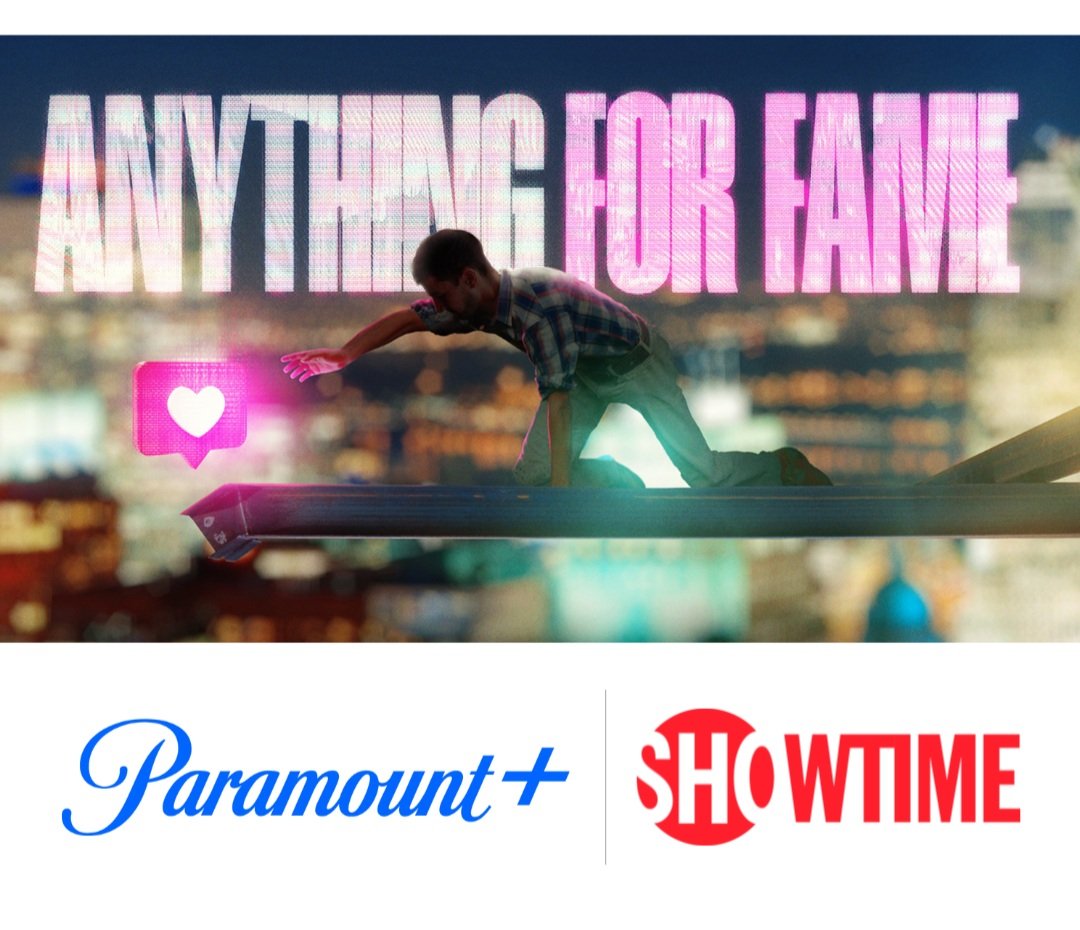
In the ruthless attention economy of the Internet, young influencers gamble everything for fame and fortune. A startling and timely study of contemporary celebrity, Anything For Fame ventures into the virtual Wild West to profile an ambitious — and reckless — new breed of content creator.
Media Mentions
2026
2025


2024












2023





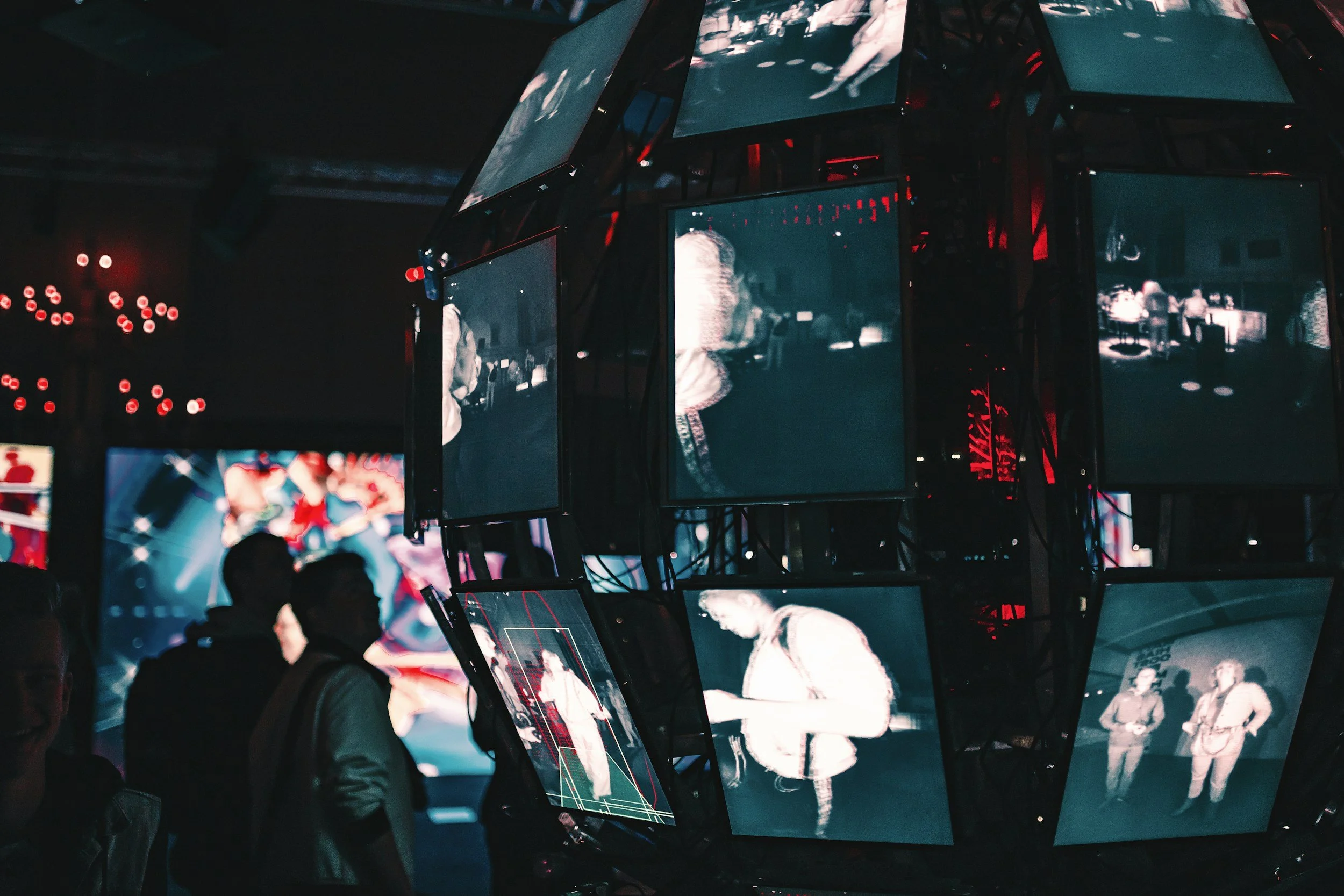
The Age of Panopticontent: In an age where camera phones are ubiquitous and the lure of internet popularity is a chronic condition, everything — and everyone — is content.
2022










2021




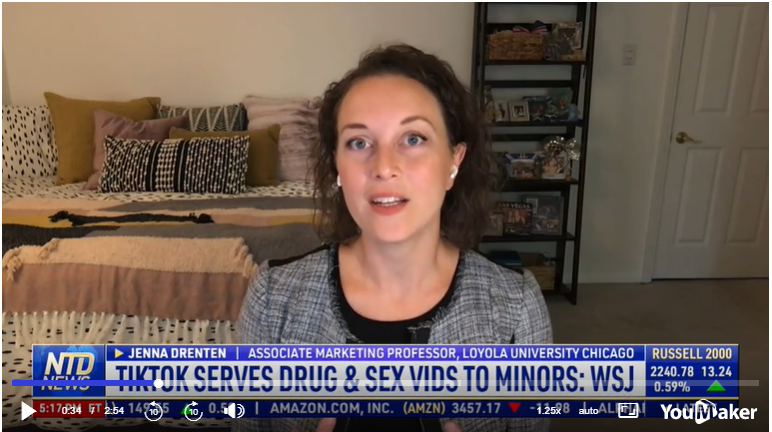
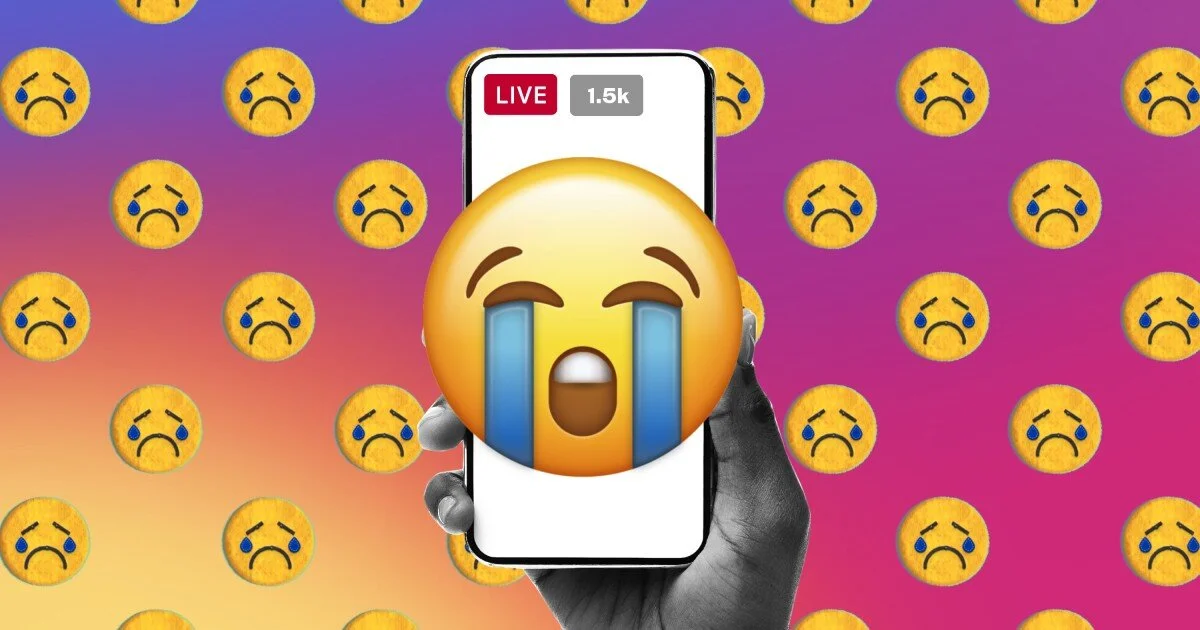
“Celebrities we’ve seen in the mainstream media in the past have been very carefully curated by others to serve our fan base,” said Jenna Drenten, an associate professor of marketing at Loyola University Chicago. rice field. “Today there are things like Instagram Live, Cameo and TikTok. These are very momentary, always-on platform features that allow celebrities to convey this real-time behind-the-scenes perspective on their live experience.”
Proponents are that these tools give them a “chance to become more human,” she said. The downside is that fans, and often the media, see everything a celebrity does as content.
“There is a view that tears are just for entertainment, as celebrities are always for our own entertainment, the entertainment of our fans,” she said.
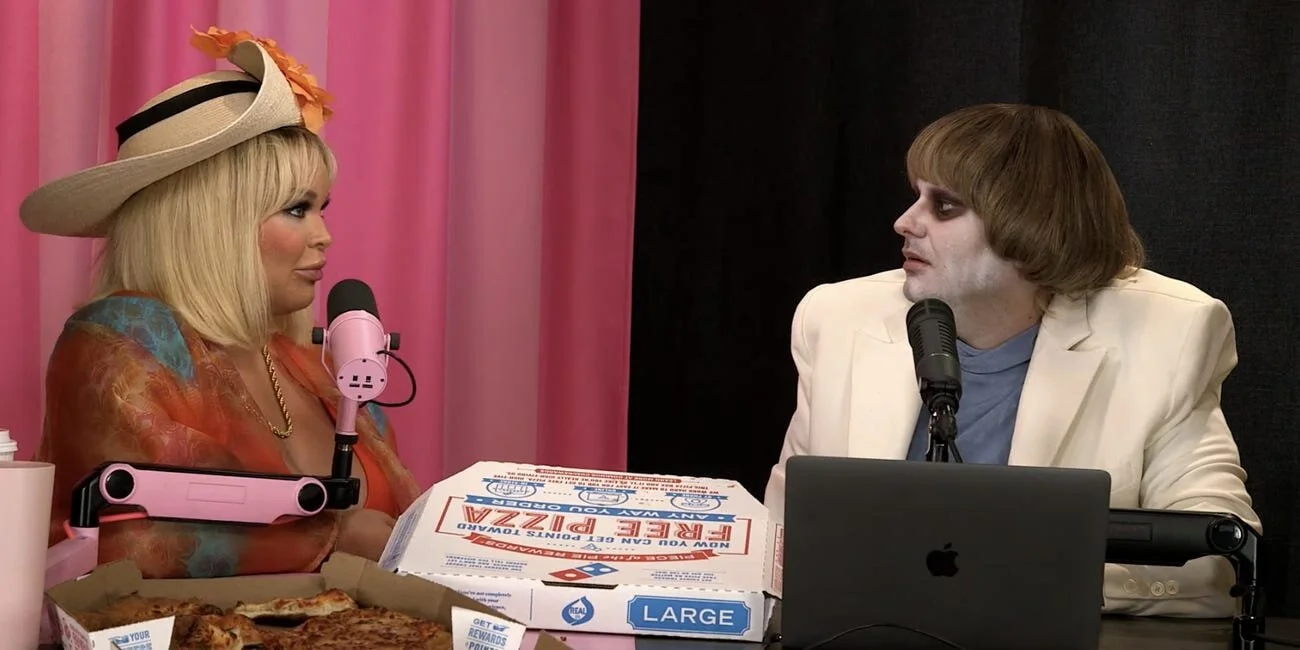
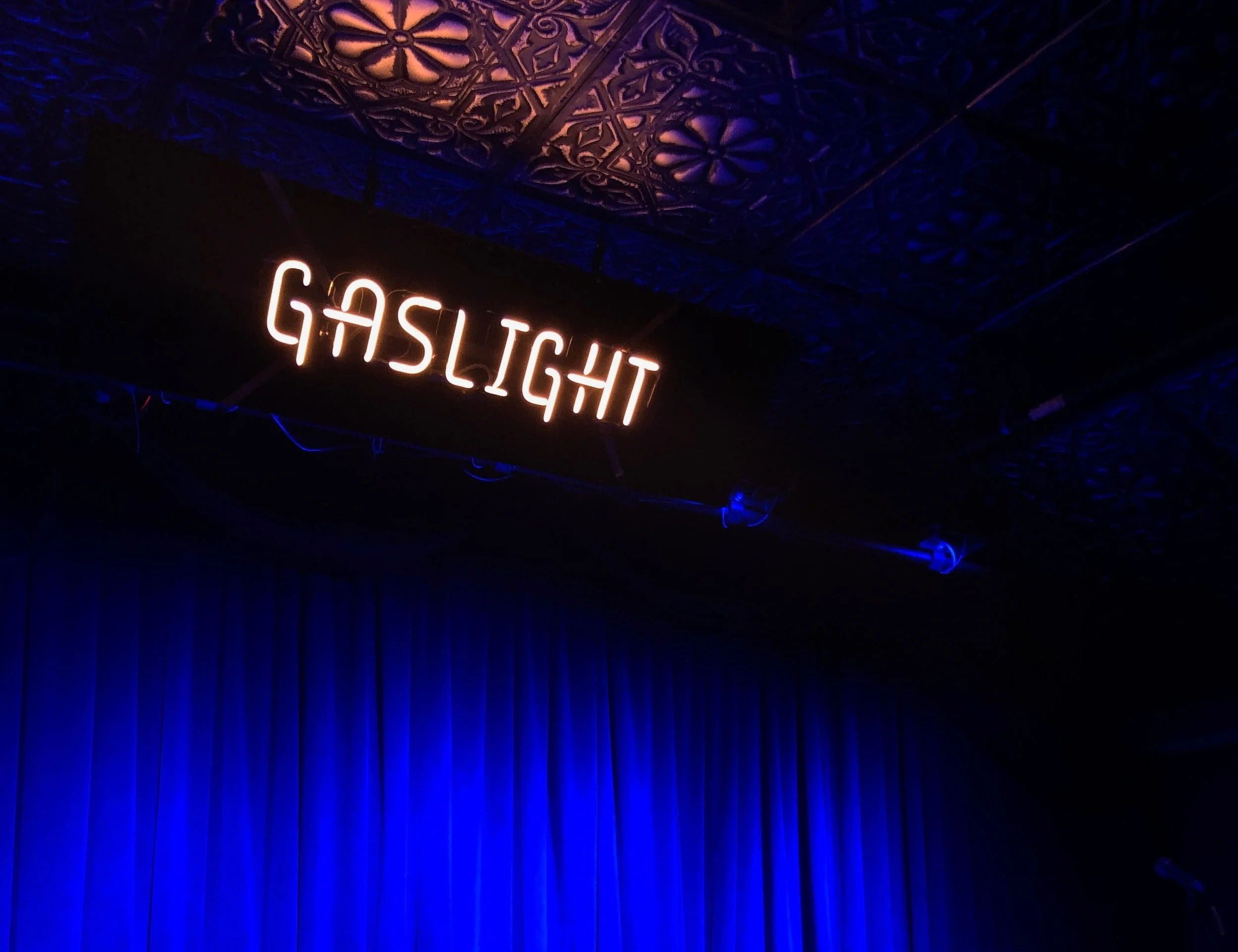
Jenna Drenten, an associate professor of marketing at Loyola University Chicago who studies digital consumer culture, told Insider that psychological terms being used in a public forum can help destigmatize them. However, it can also diminish their seriousness, she said, adding, "If everyone's being gaslighted, no one's being gaslighted."
Language often evolves when topics reach the public consciousness, she said, but when this happens with influencers, there is a complicated dynamic because their content is monetized. Influencers are rarely mental health professionals, and when they speak about abuse and personality disorders, it's wrapped into a digital infrastructure that incentivizes getting clicks. In disagreements and tensions battled out online, words like "narcissistic abuse" and "gaslighting" fan the flames.
"It has nothing to do with normalizing issues around mental health," Drenten said. "It has everything to do with maintaining the interest of the internet attention."


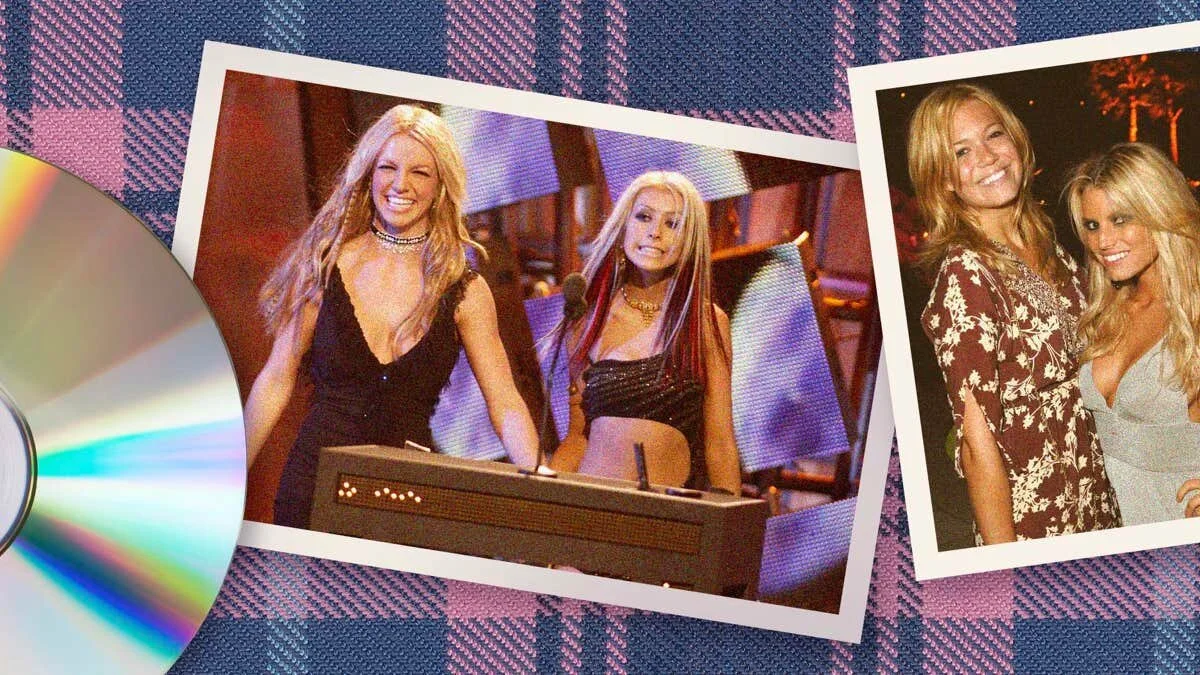
"Britney Spears and Jessica Simpson and Christina Aguilera and Mandy Moore came out of a Hollywood factory of stardom," says Jenna Drenten, PhD, an associate professor of marketing at Loyola University in Chicago specializing in digital consumer culture. "So there was this purity myth that said you need to be attractive but still a virgin, and that manifested in this 'true love waits' historical perspective and these purity rings and abstinence pledges."
"Purity and virginity has always been something that's been intermingled with women in the spotlight, but especially in the '90s because there was such a push to reinforce it as something of a backlash to the '80s when we had Madonna singing 'Like a Virgin,'" Dr. Drenten explains. "The idea was 'let's get control of these women again and get them to literally sign pledges for abstinence.' And that affected the pop stars that came to be."
Dr. Drenten tells Refinery29 that the curated pop star persona in the '90s was dominated and propelled by the male gaze positioning women's bodies in a way that was — and still is — aesthetically pleasing for heterosexual men, and in a way that upholds hetero-normative perceptions of beauty. While the male gaze tantalized a very specific consumer base and dangled women's sexuality in front of cisgender heterosexual men by way of sexualized schoolgirl uniforms and songs riddled with sexual inuendos, there were near-constant messages of purity, virginity, and wholesomeness.
"There was this collision of messaging, particularly toward young women, about how they should behave and who they should position themselves for — largely heterosexual men," she says.

Jenna Drenten, an associate professor of marketing at Loyola University Chicago who studies digital consumer culture, said the trend is a continuation of the kind of crowdfunding that became commonplace during the pandemic, when peer-to-peer payments poured in to people who lost their jobs or needed help with health-care costs.
Many grew accustomed to posting Cash App or Venmo information and explaining their needs, she said. And now that the worst of the pandemic has passed in the United States and travel is more socially acceptable, it makes sense that the practice continues as a way to participate in communal joy after so much shared suffering.
“My perspective is that individuals feel more liberty to share their celebratory experiences and to use those same practices that became normalized throughout the pandemic,” Drenten said. “When we think about well-being during the pandemic, it was survival. Now well-being is celebration and being able to express yourself and enjoy your life.”
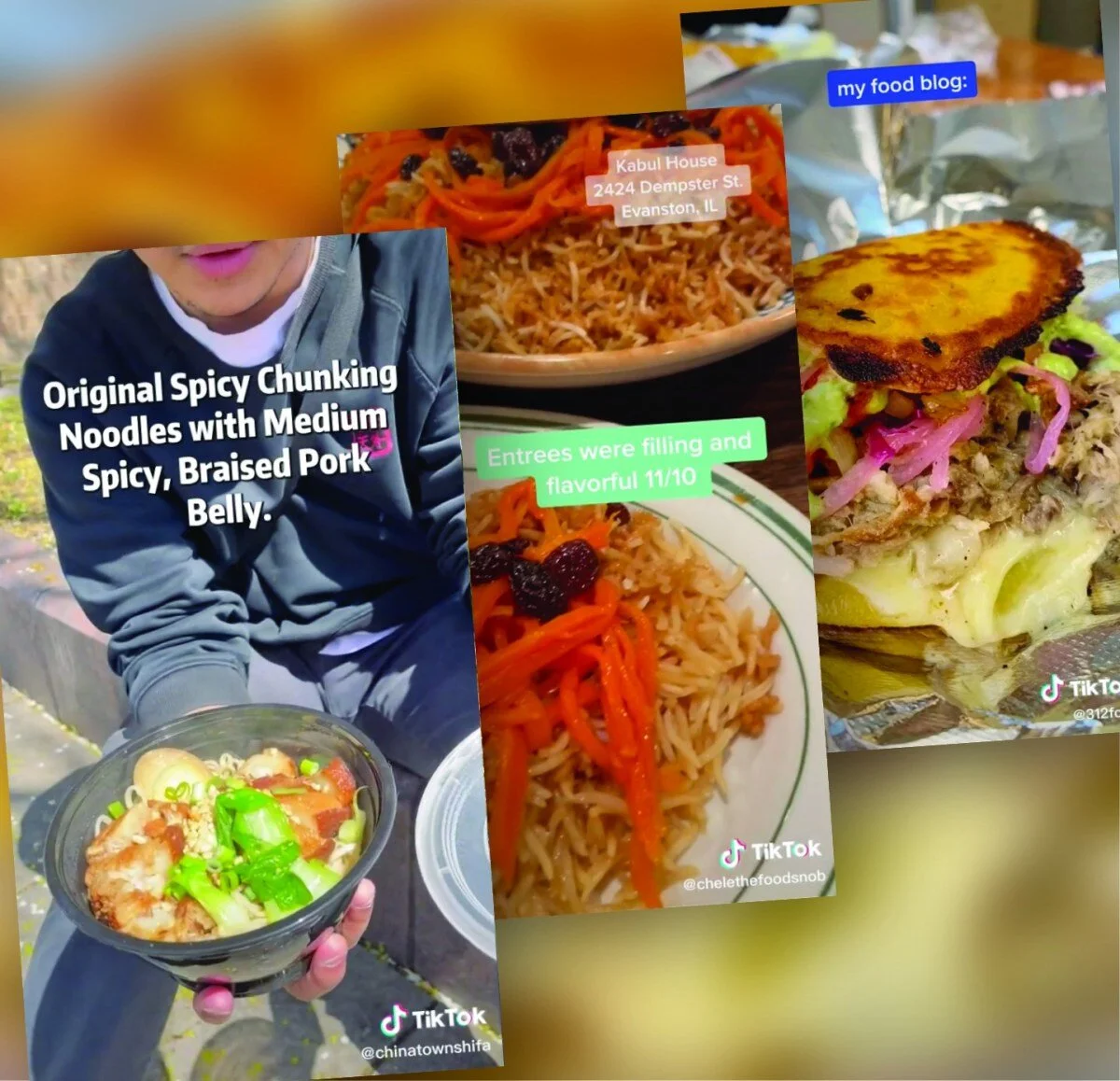
“TikTok is a storytelling app, and food is fodder for storytelling,” says Jenna Drenten, a Loyola University marketing professor who researches the app’s influence on consumer behavior. “It’s probably the perfect combination.”


2020